
Travel Guide to Arizona

RV Arizona Travel Guide
Below is some additional information that might help you when planning your Arizona RV trip. It’s clear with this much information, we’re likely going to need to break up the information by city, but this is our first attempt at putting it all in place!
Below is information about the Phoenix, Grand Canyon and Sedona. After next week’s episode, we’ll add Tucson to this page.
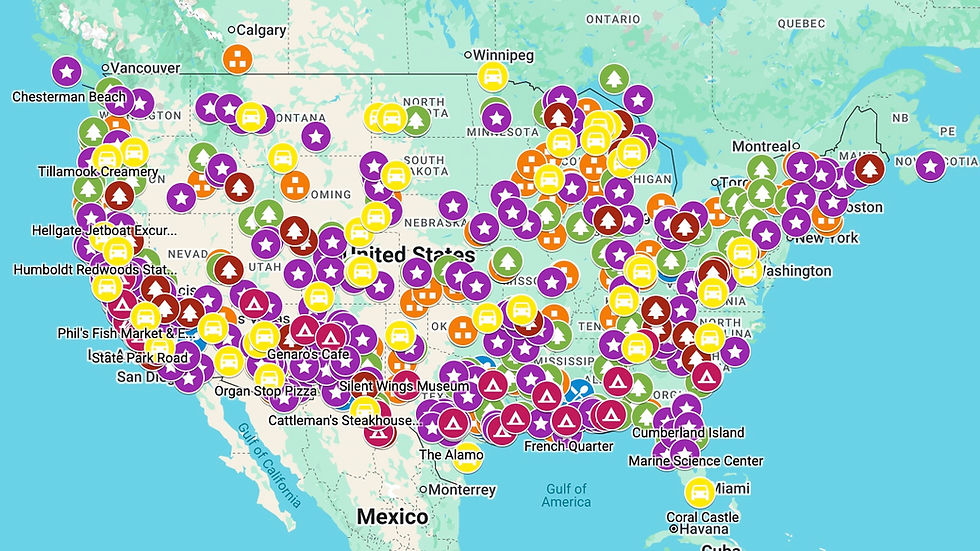
We’d like to create travel guides for as many states as possible and follow the same url scheme /az to make it easy for you to find information. In the meantime, you might find our video map helpful to find the episodes from the 46 states we’ve already traveled.
KYD Grand Canyon Travel Guide
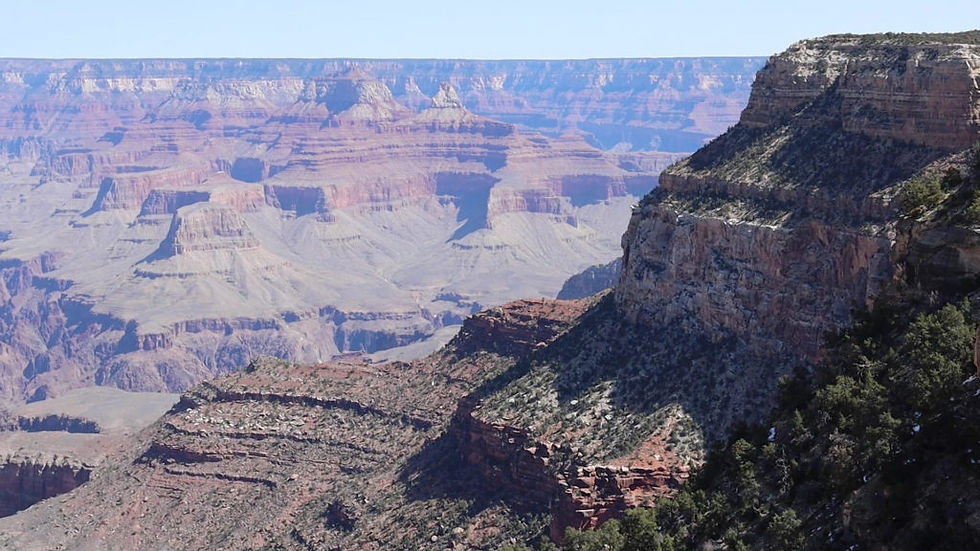
Which section of the Grand Canyon is best?
You can explore the Grand Canyon from four different jumping-off points, each with its pros and cons. The best section for you depends on when you’re visiting, how much time you have in the Grand Canyon, and what you like to do when you travel.
South Rim
The South Rim is where you get the vast, expansive views you’ve seen in most pictures of the Grand Canyon. It’s by far the most popular access point, which means it’s the most crowded—but it also has the most amenities (campgrounds, restaurants, etc.). The South Rim is easily accessible from just about anywhere and is open year-round. It snows there in winter, so prepare for four seasons. Most organized tours of the Grand Canyon, like mule rides into the canyon and bicycle tours, launch from the South Rim.
North Rim
The North Rim is more challenging to access than the South Rim, making it quieter and less crowded. It offers different (though still striking) views of the canyon from mid-May through mid-October. The rest of the year, the North Rim roads are closed due to snow; the North Rim is about 1,000 feet higher in elevation than the South Rim. Campgrounds here offer fewer amenities, but you’ll have more solitude, too. There are fewer viewpoints here, and fewer services, but you can observe unique plant and animal life on this side of the canyon.
Grand Canyon East
Grand Canyon East is home to Horseshoe Bend, the iconic point in the canyon where you can get a photo from the rim with the Colorado River in the background.
Grand Canyon West
Grand Canyon West is close to Las Vegas and best known for the glass-bottomed Skywalk. Tickets are pricey ($45 each), but it’s the only place where you can walk out the Grand Canyon and get a view straight down, without (much) fear of falling. Note that this is outside the National Park boundary, so there is a separate fee to enter the Grand Canyon from this point. Havasu Falls can also be accessed from this side, though it’s currently closed to tourists due to COVID.
Charlie’s Tips on Visiting with Dogs
The Grand Canyon is one of the most dog-friendly National Parks we’ve visited! Leashed pets are allowed anywhere on the South Rim above the rim, meaning that you can walk all 13 miles of the rim trail with your pup. Watch the sunrise at Yavapai Point, or stay in any of the National Park campgrounds. So long as your dog is on-leash, they are welcome! The park also offers water stations throughout to keep both pets and their humans well hydrated. (There are fewer of these along the rim trail, though, so bring water bottles with you.)
If you want to hike into the canyon where dogs aren’t permitted, you can generally board them at the South Rim Kennel near Maswik Lodge (temporarily closed due to COVID). Yavapai Lodge also offers pet-friendly rooms, if you have a furry friend who can hang out in a hotel room for a few hours without you.
On the North Rim, you can bring dogs on the greenway connecting the North Kaibab Trail and the section of the Arizona Trail north to the park entrance station. There are no boarding facilities on the North Rim.
Where to Camp
Dispersed Camping
Dispersed camping, or “boondocking,” just means camping with no electricity, water, or sewer hookups. Just pull up to a flat spot on public land and call it home! There are lots of dispersed camping options near the South Rim that can accommodate any size rig. The North Rim also has some dispersed camping, but roads and weather tend to be more treacherous, so do your research before exploring those spots.
Here are just a couple. Check apps like Allstays or Campendium for tips on other free sites in the area.
Forest Road 688 (35.9262, -112.1245):
A well-maintained gravel road off AZ highway 64.
Coconino Rim Road (35.9623, -111.9644):
Close to the Visitor Center and the South Rim itself. Busier than FR 688, but also closer to the action!
Forest Road 306 (35.927, -112.1338):
Close to FR 688, lots of large sites and convenient access to fresh water.
RV Parks
Trailer Village RV Park:
This concessionaire-operated park can accommodate RVs up to 50 feet long and is within walking distance of the South Rim. It’s open year-round and has full hookup sites. As a result, it’s the priciest option at around $60-$70 per night.
Mather Campground:
Located on the west end of the South Rim. Mather Campground is reservation-only from March through November and is open year-round. The maximum vehicle length here is 30 feet, and there are no hookups, though laundry and shower facilities are ordinarily open (temporarily closed due to COVID). Water faucets are available for filling your fresh tank. $18/night.
Desert View:
Located on the east end of the South Rim. Desert View is closed in winter and is first-come, first-served from mid-May to mid-October. Get here early—they fill by noon. There are water faucets available, plus a campground restroom, but no other amenities. $12/night.
North Rim Campground:
Located on the North Rim (surprise!). This campground is closed in winter and offers no hookups, though the park has a dump station and water refill. $18-$25 per night.
Things to Do in the Grand Canyon
Trail of Time
The Trail of Time is a flat, paved walkway that runs about 2.8 miles along the South Rim. It’s designed to present visitors with the scale of geologic time: each meter you walk on the trail represents one years of geologic history at the Grand Canyon. The trail begins at Yavapai Geology Museum.
Hiking
Several very popular trails lead from the rim into the canyon, including:
Bright Angel Trail (South Rim)
South Kaibab Trail (South Rim)
North Kaibab Trail (North Rim)
Hike these trails with caution! All of them offer scenic turnaround points, because distances can be deceiving. You’re starting with the more leisurely downhill hike, but remember—what goes down into the canyon must come back up, and it’s a much more strenuous hike in that direction! Bring lots of water and conserve energy for the trip back if you’re not staying overnight at the bottom.
If a flatter hike is more your speed, walk along the rim trails. Cape Royal Trail, located along the North Rim, is particularly scenic.
Biking
The following areas are all open to bikes and e-bikes:
The South Rim residential greenway system
Greenway beginning south of the Visitor Center and continuing south, parallel to South Entrance Road/Highway 64, including the spur trails to Trailer Village and Mather Campground
Greenway from south of the Visitor Center to Pipe Creek Vista and the South Kaibab trailhead
Greenway from the Visitor Center to Grand Canyon Village
Hermit Road Greenway
North Rim Bridle Trail
All roads open to motor vehicle traffic
Explore nearly 13 miles of roads and trails along the rim, and load your bike onto a shuttle bus if you get tired. There is a stop every mile or so along the way.
Rafting
There are many commercial rafting trips available in the Grand Canyon, so you don’t need to enter the lottery to float the Colorado River on your own craft. Half-day and full-day trips run from Page, Arizona (about 140 miles from the South Rim). Or, you can sign up for a multi-day adventure.
Mule Rides
South Rim mule trips are offered year-round. Sign up early, as spots fill up, especially in the most popular months. You can also take a mule ride on the North Rim from mid-May to mid-October.
Where to Eat
Grand Canyon Village has limited food and beverage operations during COVID. You can have a fancy dinner at the El Tovar Dining Room, or more standard fare at The Fountain at Bright Angel Lodge (to-go only). Otherwise, you’re limited to a couple of snack bars and food trucks.
For more dining options, visit nearby towns like Page or Flagstaff.
Other Places to Explore Nearby
There are several destinations close to the Grand Canyon that are worth a visit while you’re in the area. Here are a few:
Grand Canyon Railway:
Take the train from Williams to the Grand Canyon and save yourself the drive (and the headache of finding parking). The only drawback we’ve heard is that your return ticket will take you back to Williams before sunset. But if you just want to explore the Grand Canyon for the day, this is a great way to do it! There’s a KOA in Williams, too.
Slot Canyons:
There are too many of these to list, but the slot canyons near the Grand Canyon are well worth exploring, especially since there are so many of these that each one tends to be pretty quiet. You might have the whole place to yourself!
Flagstaff:
Maybe we’re partial because of the KYD cabin, but Flagstaff is well worth a visit, and it’s not far from the Grand Canyon. Enjoy the mountains of Arizona (probably not what you think of when you think of the desert southwest) and lots of fantastic hiking and dining.
Lake Powell:
Right at the northern edge of Arizona lies Lake Powell, a boater’s paradise! It’s a beautiful area located only a few hours away from the Grand Canyon, and a great addition to your trip if you want to mix up the scenery a bit.
Sedona Travel Guide

Restaurants:
Lisa Dahl’s restaurants are famous, and for good reason. My personal favorite is Dahl & Di Luca, the upscale Italian restaurant.
Mesa Grill, near the airport. There’s a beautiful drive to get there (with a vortex nearby if you want to check that out), and the restaurant is very dog-friendly. The food is great, you can sit outside with your dog, and there’s even a dog-friendly menu.
Tortas de Fuego: just a little place, and it gets crowded, but the food is delicious and inexpensive
Hiking:
You can’t go wrong with hikes near Sedona. Here are two of my favorites (both dog-friendly).
West Fork Trail: Get there early because the lot fills quickly, even on weekdays, but this hike is worth it! It’s about 7 miles round trip, with lots of water crossings as you hike along the bottom of a canyon
Boynton Canyon: A popular trail, but not nearly as crowded as Cathedral Rock and Devil’s Bridge. Beautiful views and a great hike. 6 miles round-trip.
Tucson/Phoenix Travel Guide
Where to Camp
State Park Campgrounds
Lost Dutchman:
Named after the fabled lost gold mine, Lost Dutchman State Park is located in the Sonoran Desert at the base of the Superstition Mountains, 40 miles east of Phoenix.
Picacho Peak:
Visitors traveling along I-10 in southern Arizona between Phoenix and Tucson can’t miss the prominent 1,500-foot peak of Picacho Peak State Park.
Catalina State Park:
Catalina State Park sits at the base of the Santa Catalina Mountains near Tucston. The park is home to 5,500 acres of foothills, canyons and streams.
RV Parks—Tucson
Gilbert Ray Campground:
30 amp hookups, no water at campsites or campground showers, on-site dump station
Tucson-Lazydays KOA:
pricey but all the amenities: full hookups, resort-style with pool and organized activities, some sites have patio and fireplace, can accommodate big rigs
Pima Country Fairgrounds:
wide 50-amp spaces, full hookups, showers and laundry, lower priced than most RV parks and conveniently located to east Tucson – but it’s basically a gravel lot
Boondocking—Tucson
Pump Station Road (32.4448, -111.3717): cell coverage on all carriers, lots of space for big rigs
Old Ajo Highway (32.1614, -111.1038): Verizon and T-Mobile coverage, easy access
RV Parks—Phoenix
Usery Mountain, McDowell Mountain, White Tank Mountain (regional parks):
electric and water hookups, great scenery, lots of trails, decent cell coverage – but might be tough to get into
WestWorld RV Park:
full hookups, laundry/showers onsite, but more a big parking lot than a place to spend time at camp
Destiny Phoenix RV Resort:
full hookups, nicely spaced sites with citrus trees, laundry/showers, pool and other resort-style amenities
Where to Eat—Tucson
El Charro Cafe:
Opened in 1922—birthplace of the Chimichanga.
The Grill at Hacienda del Sol:
Included in the National Registry of Historic Places. Opened in 1929 as a “home away from home” ranch school for the daughters of affluent families (like Vanderbilt, Pillsbury, Westinghouse and Campbell). Converted in 1944 into a guest ranch whose clientele included Hollywood stars like Spencer Tracy, Katharine Hepburn, John Wayne and Clark Gable. It also served as a retreat for Howard Hughes, who owned a missile plant nearby.
Barrio Bread:
fresh-baked bread
Ermanos Craft Beer and Wine Bar:
near the Museum of Art
Reforma Modern Mexican:
known for their margaritas
Things to Do in and Around Tucson
Desert Museum:
A mostly outdoor museum showcasing flora and fauna of the Sonoran desert by way of a zoo, botanical garden, art gallery and museum of natural history all rolled into one. Buy timed entry tickets prior to arrival.
Tucson Museum of Art:
Collection of indigenous and Western art, both modern and historic. Buy timed entry tickets prior to arrival.
Biosphere 2:
What began as a closed science and technology experiment about colonizing other planets is now a working research center accessible to the public. Tour the facility and walk through the biomes. Buy timed entry tickets prior to arrival.
Mt Lemmon SkyCenter Observatory:
Look at the night sky through two of the biggest telescopes accessible to the public in the southwest U.S. Programs reservable in advance with tickets.
Mission San Xavier del Bac:
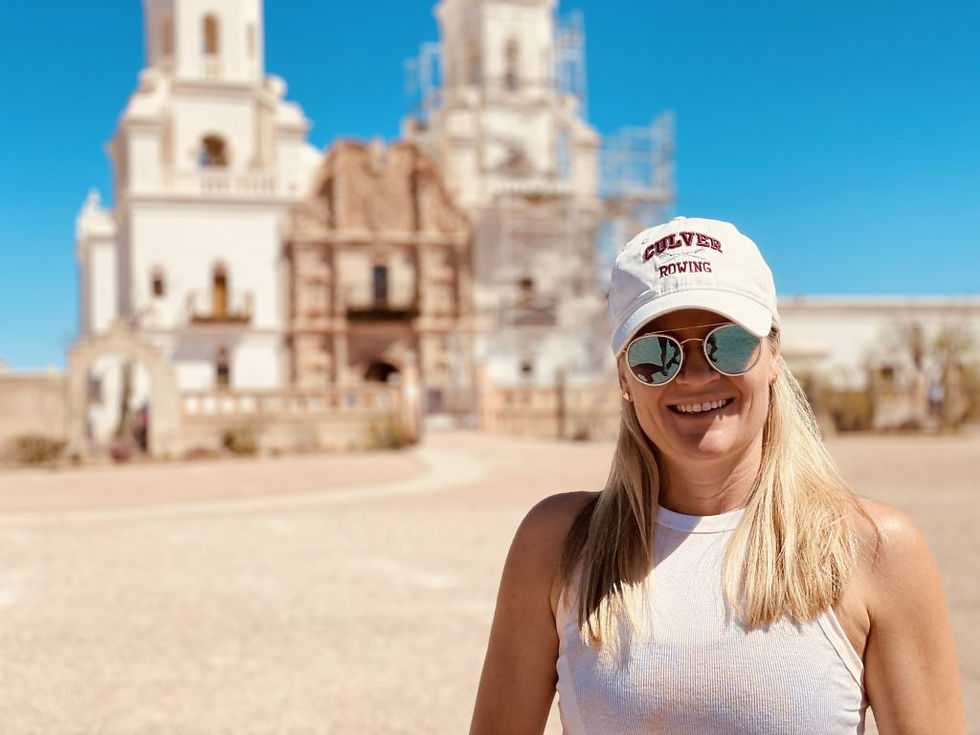
White adobe church built in the 1700s representing a wonderful example of Spanish colonial architecture.
Tohono Chul Park: A desert oasis not far from Catalina State Park. Trails, gardens, and a tea room restaurant.
Tucson Botanical Gardens: See over 5,400 plants in 16 different gardens, right in the heart of Tucson.
Pima Air and Space Museum: Displays over 250 vintage aircraft representing the history of human flight.
Oro Valley Heirloom Farmers Market:
Saturday mornings at Steam Pump Ranch.
Outdoor Activities:
Catalina State Park:
Great trails for hiking and biking, guided birdwatching tours
Saguaro National Park:
See lots of Saguaro cactus on one of the many hiking trails or roadways in the park. Dogs are allowed in paved areas only.
Rent Electric Bikes:
Cycle in the Catalina Foothills and Sonoran desert on a guided bike tour (rent from Pedego electric bikes)
Hot Air Balloon Rides:
Get a view from above with a hot air balloon ride for 2-6 people (Foolish Pleasure Hot Air Balloons)
Oro Valley ATV Tours:
Access remote areas of the Sonoran desert and see wilderness that most people don’t get to (Arizona ATV Adventure Tours)
Mt Lemmon Ski Valley:
Yes, you can ski in Arizona! (Weather permitting, of course—this is a seasonal option.)
Further Out:
Picacho Peak State Park:
Steep hike up Picacho Peak for hiking enthusiasts. Also fun for history buffs—the Nature Walk has signage and artifacts related to the area’s Civil War history.
Tubac:
A small, artistic community with great shopping opportunities if you’re in the market for Southwestern art, or just a break from the city.
Agrotourism at Aravaipa Farms Orchard & Inn:
Visit a working orchard and eat farm-to-table fare near Aravaipa Canyon.
Hiking/Biking
Hutch’s Pool:
A rare opportunity to see water in the desert. Pro tip: take the tram to the trailhead to cut out ~3.5 miles each way.
Aravaipa Canyon:
A BLM wilderness area with towering cliffs, flowing water, and an amazing hike—if you can get a permit. (Only a small number are released each day.)
Madera Canyon:
One of the best birding areas in the U.S., and a certified Audobon conservation area. And, a rarity in this part of Arizona—shaded hiking trails and the chance to see waterfalls.
Things to Do in and Around Phoenix (off the beaten path)
Rio Salado Audobon Center:
The National Audobon Society’s nature center in Phoenix. (Closed due to COVID, but hopefully will reopen soon!)
Near Lost Dutchman State Park
Geocaching:
The state park has a formal geocaching program (finding hidden “treasure” by navigating to set geocoordinates)
Goldfield Ghost Town:
Visit an abandoned mining town just outside the state park. The refurbished tourist site includes a mine tour.
Ziplining:
Superstition Zipline gives you a birds-eye view of the Superstition Mountains as you fly over the landscape.
Kayaking at Saguaro Lake Ranch:
Escape the heat and get out on the water. See gorgeous cliffsides from the lake as you paddle.
The Dolly Steamboat or Desert Belle Cruises:
Cruise the scenic inner waterways of Canyon Lake (Dolly) or Saguaro Lake (Desert Belle). They offer nature cruises, astronomy cruises, and dinner cruises with live music (yes, even during COVID) from a classic steamboat.
Comments